
In Islamic tradition, dreams are divided into three distinct categories conveyed by the Prophet Muhammad (peace and blessings be upon him): the true vision (ru’ya), the dream coming from the soul (nafs), and the dream inspired by the devil. Seeing a deceased relative in a dream can fall into one of these categories depending on the context, the feelings of the dreamer, and the content of the dream itself.
Understanding which category a dream of a deceased relative falls into radically changes its interpretation. A bright dream where the deceased is smiling is entirely different from a recurring nightmare where they are calling for help.
The three categories of dreams in Islam and their connection to the deceased
The first category, the ru’ya or true vision, is considered a good news coming from Allah. The Prophet indicated that only good visions remain from prophecy. When a deceased relative appears in this type of dream, their face is often serene, and the atmosphere is calming. The prophetic recommendation is to praise Allah and share this dream only with trusted individuals.
The second category concerns dreams stemming from the soul. They reflect daily concerns, memories, and emotional longing. Someone who intensely thinks about their deceased father or mother before sleeping may see them in a dream without it carrying any particular spiritual significance.
The third category includes disturbing dreams attributed to the devil. In the face of a nightmare involving a deceased relative, tradition recommends seeking refuge with Allah, lightly spitting three times to the left, and changing sides in bed. A nightmare should neither be interpreted nor shared according to the hadiths.
This classification is the foundation of any interpretation. Before seeking meaning in a dream of a deceased relative, the primary question always remains: which category does it belong to? Those wishing to delve deeper into the subject and understand why these dreams occur will benefit from exploring the reasons behind dreaming of deceased parents in Islam from a complementary perspective.
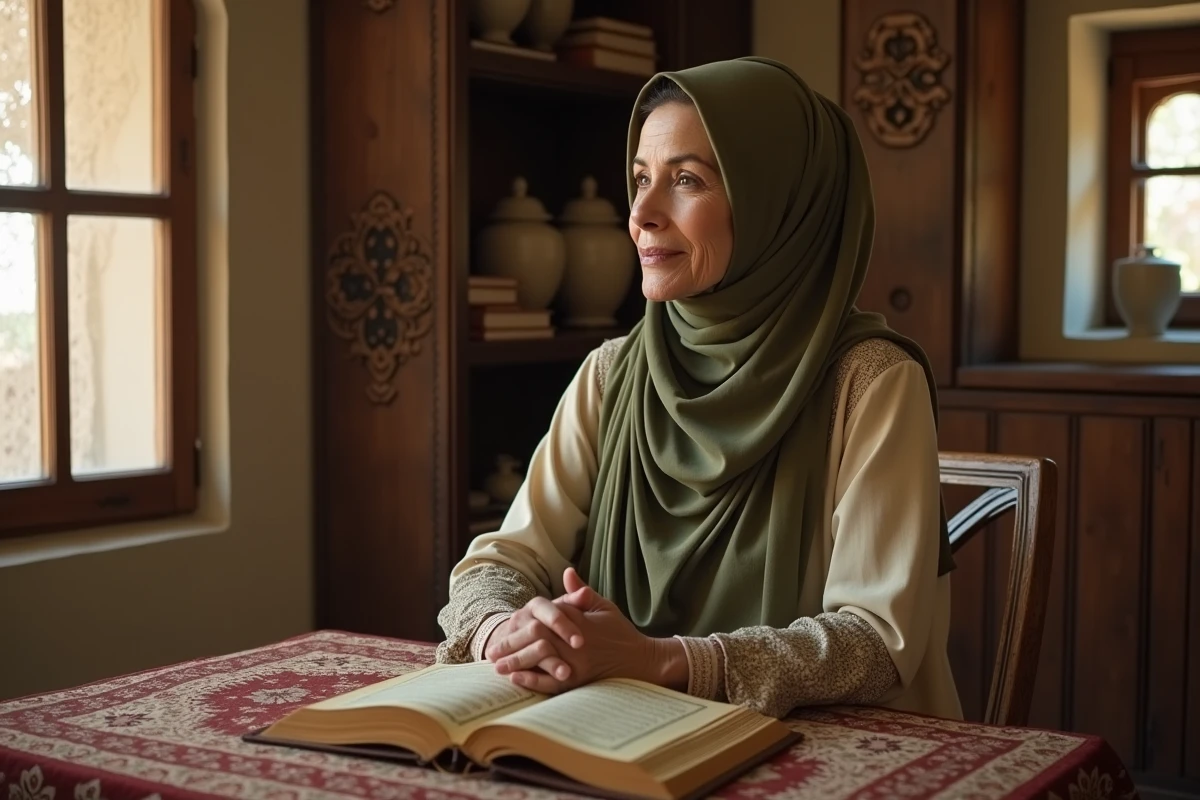
Dreaming of a deceased relative smiling or speaking: meanings according to the Quran and the Sunnah
The content of the dream directly guides the interpretation. Several scenarios frequently appear in classical collections and the opinions of scholars.
The deceased appears happy and radiant
This type of vision is generally associated with bushra (good news). Commentators see it as a sign that the deceased is in a favorable state in the afterlife. This dream often brings deep comfort to the dreamer, especially during mourning.
The deceased speaks or conveys a message
According to several scholars, the words of a deceased person in a dream deserve special attention, as the deceased would be in the realm of truth (dar al-haqq). If a deceased father requests something specific, such as a prayer or charity, this request is taken seriously in tradition.
The deceased seems to be suffering or asking for help
A deceased relative in distress in a dream may indicate a need for good deeds on their behalf. The recommended practice then includes:
- Regular invocation (du’a) for the peace of their soul, mentioned in the Quran (Surah Ibrahim, verse 41)
- Continuous charity (sadaqa jariya) done in the name of the deceased, such as digging a well or funding a sustainable project
- Settling any debts of the deceased, whether financial or religious (fasting, unfulfilled pilgrimage)
This connection between dreams and ongoing good deeds is documented in several hadiths. The Prophet mentioned that acts that continue to benefit the deceased after their death are among the things whose reward does not cease.
Complicated grief or spiritual vision: knowing how to distinguish between the two
In recent years, French-speaking Muslim psychologists have emphasized a distinction that classical literature did not directly address. Not all dreams of deceased parents fall under religious interpretation.
A one-time and comforting dream where a deceased parent appears smiling corresponds to the profile of the true vision. Recurring and distressing dreams are more indicative of complicated grief than a spiritual message. Repetition, persistent anxiety upon waking, and the inability to resume normal daily activities are signals that point towards psychological support rather than Quranic interpretation.
Muslim chaplains working in hospital settings in France and Belgium now incorporate these dream narratives into end-of-life spiritual support. Their approach combines reassurance through the reminder of divine mercy and the reevaluation of guilt that some patients feel towards their deceased parents.

Recommended attitudes after dreaming of a deceased parent in Islam
The reaction upon waking depends on the nature of the dream experienced. The prophetic tradition provides a precise framework:
- After a comforting vision: praise Allah, share the dream only with a trusted person, and give it a positive interpretation
- After a nightmare: seek refuge with Allah against the evil of this dream, lightly spit three times to the left, do not speak of it, and do not seek to interpret it
- After an ambiguous dream: increase invocations and charity in the name of the deceased as a precaution, without jumping to conclusions
- If dreams repeat with a strong emotional charge: consult both a qualified imam in interpretation and, if anxiety persists, a mental health professional
The Quran reminds us in Surah Yusuf of the importance of entrusting the interpretation of dreams only to qualified individuals. Consulting just anyone or relying on generic online interpretations can lead to erroneous, even anxiety-inducing readings.
The dream of a deceased parent remains, in the majority of cases reported by scholars, a reminder of the bond that persists between the living and the dead. The best response, regardless of the nature of the dream, remains sincere invocation and sadaqa in the name of those who have passed away.