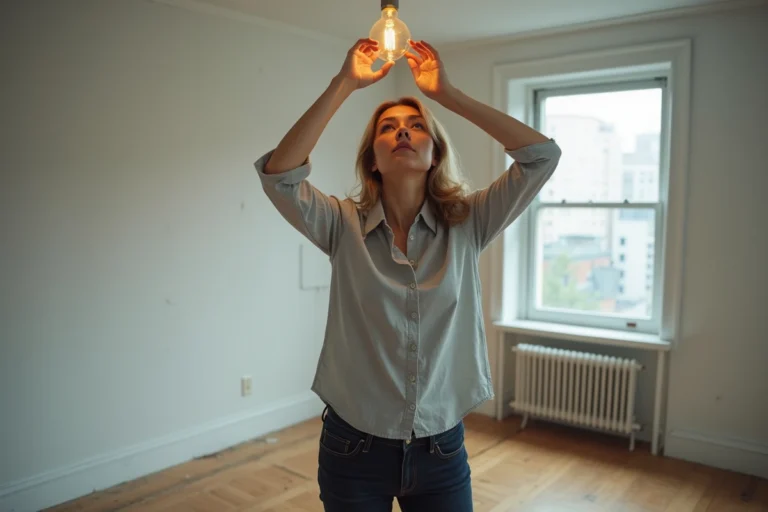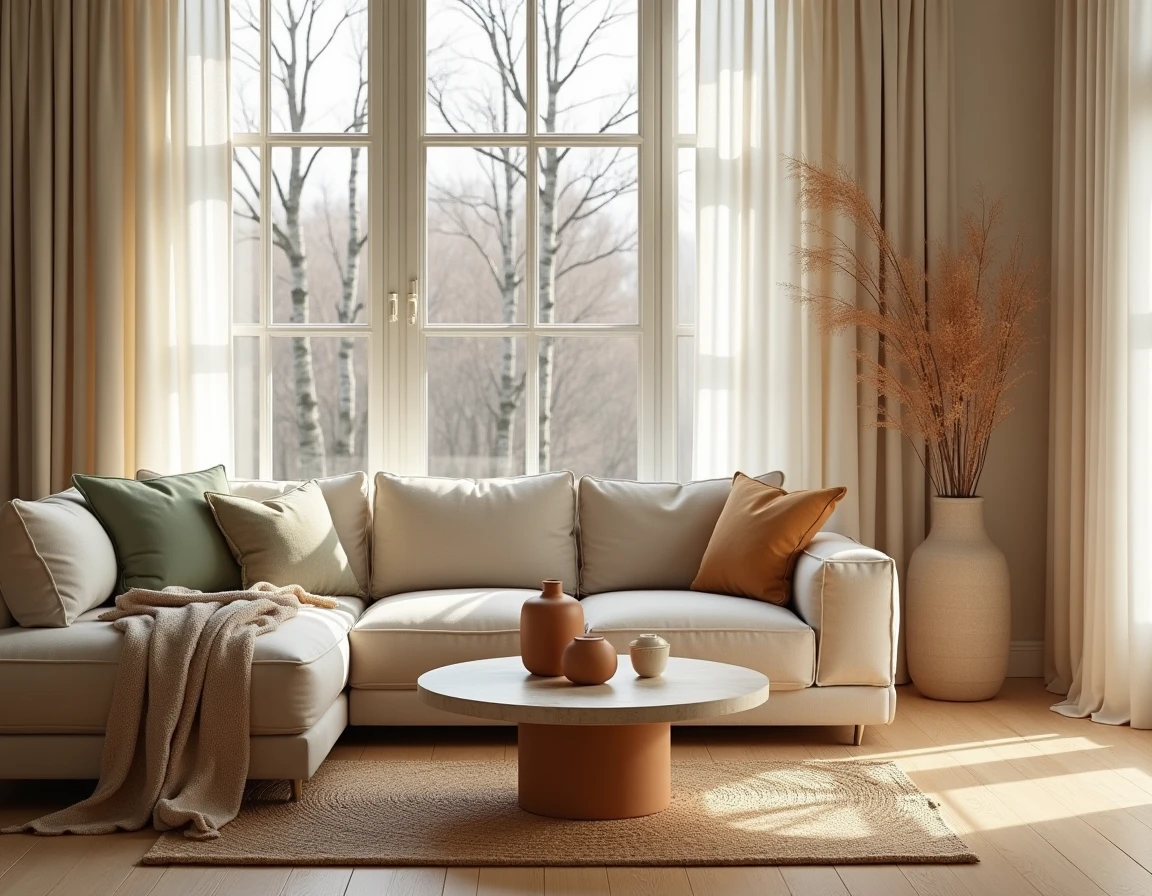
The modern home in 2024 is no longer just about color choices or furniture. Regulatory constraints, repeated heatwaves, and the widespread adoption of connected systems are reshaping how we design and arrange interiors. Décor trends are now framed within a more technical context, where thermal comfort and energy management weigh as heavily as aesthetics.
Summer comfort and interior design: what RE2020 changes concretely
The RE2020 regulation, which came into effect for new constructions, includes a summer overheating indicator (Degree-Hours) that requires rethinking the organization of rooms. The orientation of living spaces, the size of south and west-facing windows, roof overhangs, and even exterior solar protections are no longer just decorative options.
For renovations as well as new projects, this constraint has direct repercussions on decoration. Light colors on walls and floors are no longer just a trend: they help limit heat accumulation in exposed rooms. Air circulators and ceiling fans, once confined to tropical interiors, are now integrated into design ranges compatible with contemporary living rooms.
Indoor vegetation and exterior blinds complement the system. Specialized publications shared on the Neo News home site document these developments where thermal comfort and decorative choices converge.
Smart comfort management: beyond gadget home automation
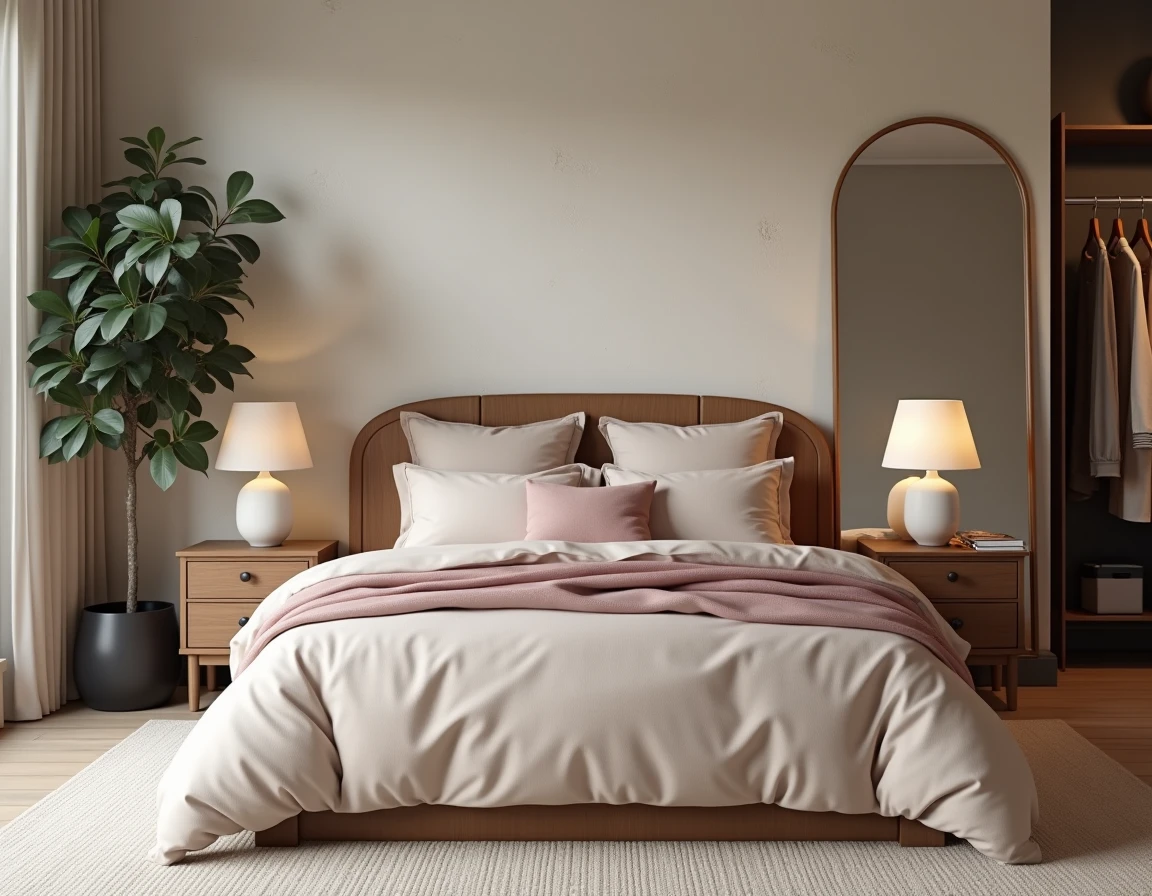
Connected housing management systems have changed their approach. Somfy, Legrand, Netatmo, and other players offer scenarios that combine light, temperature, and shading in a logic of overall comfort. Automatic closure of shutters in summer to limit overheating or lowering heating room by room based on occupancy are concrete examples.
This type of management has become mainstream. Feedback from BBC renovations and RE2020 constructions shows that these systems are becoming common in mid-range projects, not just in high-end ones. Presence detection to adjust lighting, for example, reduces consumption while adapting the lighting ambiance of each room without manual intervention.
What this changes for layout
The choice of lighting fixtures, shutters, and even furniture arrangement must incorporate these sensors and motors. A motorized blind with a solar sensor requires a box or technical space above the window. A presence detector in a ceiling light alters the placement of light points.
Field feedback diverges on one point: the actual ease of use of these systems for less tech-savvy occupants. The promise of automated comfort assumes an initial setup phase that can sometimes be cumbersome.
Natural materials and lighting: choices that stand the test of time
Raw materials (wood, stone, linen, terracotta) remain very present in modern interiors. Their appeal goes beyond visual trends. Solid wood and stone offer thermal inertia that contributes to comfort in both summer and winter. Linen for curtains and household linens provides a gentle filtration of natural light, which ties into the issue of summer comfort.
- Terracotta and earthy tones (soft brown, sage green) dominate palettes, directly affecting the perception of coolness in south-facing rooms.
- Raw wood in wall coverings or furniture provides natural regulation of indoor humidity, a parameter often overlooked in décor guides.
- Natural stone in countertops or cladding, despite its cost, ages better than most composite materials and retains its aesthetic relevance for decades.
Lighting: layering sources rather than relying solely on the ceiling fixture
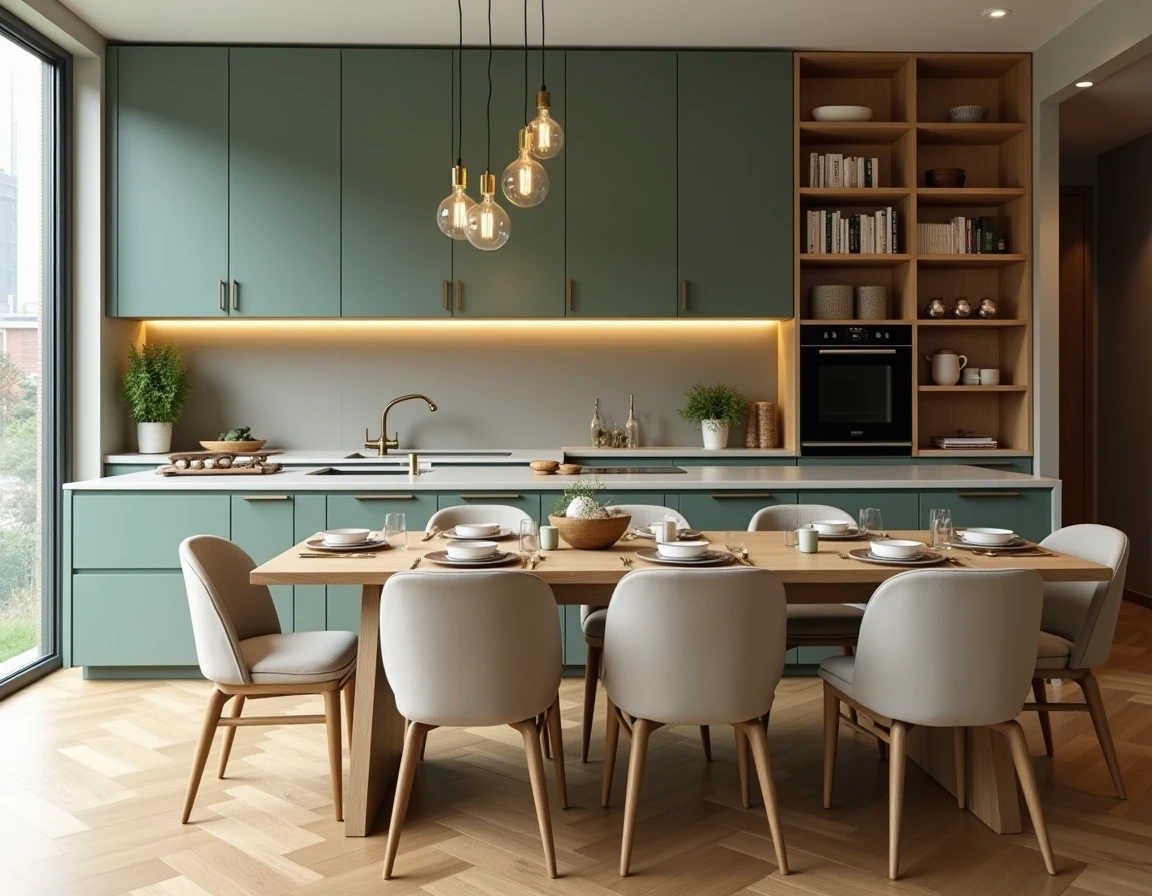
Lighting in a living space improves in quality when multiple levels are created: indirect ambient light, reading lamps, functional lighting in the kitchen or bathroom. Layering three levels of light transforms the perception of a space without altering any furniture.
Color temperatures also play a role. Warm lighting (around 2700 K) in the living room and bedroom, a more neutral light in the kitchen and workspace: this simple distinction enhances visual comfort on a daily basis.
Interior renovation in 2024: balancing aesthetics and performance
Renovating an interior in 2024 requires making trade-offs that classic décor guides do not always address. Should one invest in high-performance interior insulation before choosing high-end wallpaper? The answer is almost always yes, but it shifts the available budget for decoration.
The first priority remains the thermal envelope of the home. A poorly insulated house negates the benefits of a high-performing connected system and renders any effort for summer comfort futile. Renovation professionals note that the most satisfying projects in use are those that dedicated the majority of the budget to insulation, ventilation, and joinery, before attending to decorative finishes.
- Prioritize insulation of attics and walls before any choice of covering.
- Plan for mechanical ventilation (double-flow VMC if possible) to ensure indoor air quality, a parameter that directly affects perceived comfort.
- Reserve the remaining decoration budget for high-impact visual elements: a standout light fixture, a wall covering in the main room, a countertop in a noble material.
The comfortable home in 2024 is built on solid technical foundations. The most refined décor style does not compensate for summer overheating or an out-of-control energy bill. Choices of colors, materials, and lighting make sense only once the building envelope and comfort management are properly sized.