
A hearing aid sold at Audika in 2024 can cost zero euros after reimbursement or exceed a thousand euros per ear. This discrepancy is due to a precise mechanism: the classification of hearing aids into two regulatory classes, each associated with distinct price ceilings and levels of coverage. Understanding this framework allows one to anticipate the actual budget even before stepping into a center.
Class 1, Class 2: The Mechanism That Sets Audika’s Prices
Since the 100% Health reform, every audioprosthetist, including Audika, must offer at least one hearing aid of class 1 with no out-of-pocket expense for each ear. The price of these models is capped by decree, and the combination of Social Security plus responsible supplementary insurance covers the entire price.
Class 2 devices do not benefit from this capping. Audika positions its mid-range and premium lines here, with prices per ear rising significantly. The reimbursement base from Health Insurance remains the same as that of class 1, but the supplementary portion varies depending on the contract taken out.
A detailed comparison of hearing aid prices at Audika shows that the boundary between the two classes is not limited to sound comfort: Bluetooth connectivity, directional noise reduction, the number of adjustment channels, and wireless charging distinguish the higher ranges.

Out-of-Pocket Costs for an Audika Device: The Role of the Care Network
Two patients equipped with the same Audika class 2 model can pay very different amounts. The determining variable is the care network their mutual insurance adheres to. When Audika is part of a complementary partner network, negotiated rates apply and reduce the out-of-pocket costs.
Conversely, an insured person whose mutual insurance has not reached an agreement with Audika will bear a sometimes significant additional cost for a class 2 device. The standardized quote provided at the center allows for a line-by-line visualization of these discrepancies, but one must know how to read it.
Read the Standardized Quote Before Committing
The quote mentions three amounts to check:
- The unit price including tax of the device, which includes follow-up services over four years (adjustments, checks, maintenance).
- The reimbursement base from Social Security, which is the same regardless of the chosen class.
- The estimated portion from the supplementary insurance, calculated according to the contract’s guarantees. This line varies the most from one insured person to another.
Audika, like any audioprosthetist, is required to present at least one class 1 offer on the same quote. Refusing this presentation would be contrary to regulations.
Services Included in the Audika Price: What Justifies the Difference from a Gross Rate
The displayed price for a hearing aid at Audika does not only cover the equipment. Regulations impose a four-year audioprosthetic follow-up package, included in the sale price. This package includes adjustment sessions, regular hearing checks, cleaning of the device, and replacement of certain worn parts.
This point explains why comparing an Audika price with the catalog price of a device sold online (without follow-up) does not make direct sense. The audioprosthetist’s service represents a substantial part of the overall cost.
Differences Between Audika Ranges Based on Built-in Features
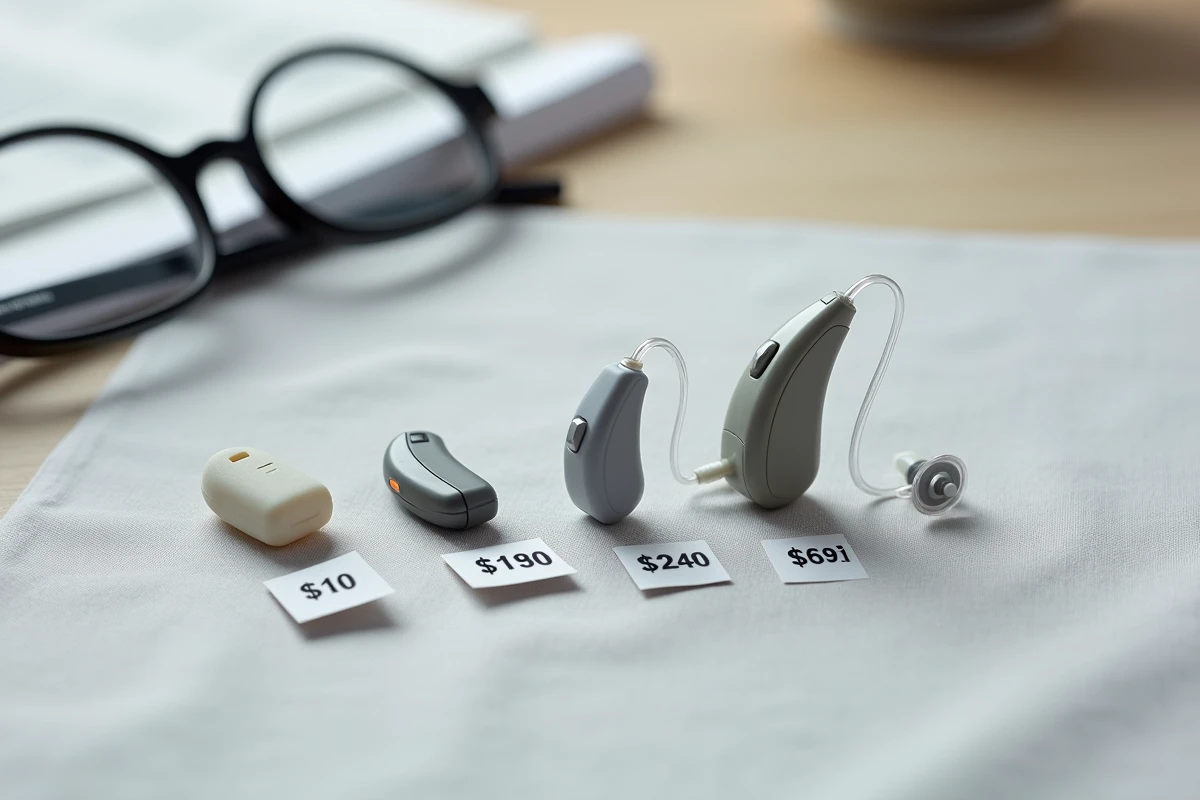
Beyond follow-up, the price difference between an entry-level class 1 device and a premium class 2 model reflects concrete technological choices:
- Number of sound processing channels: the more there are, the more finely the sound reproduction adapts to each environment.
- Direct connectivity with a smartphone for audio streaming or phone calls.
- Automatic background noise management thanks to artificial intelligence algorithms embedded in the latest models.
- Device format: custom in-ear models or high-end behind-the-ear models cost more than a standard behind-the-ear device.
Audika and 100% Health: Conditions for a Zero Euro Device
Obtaining a hearing aid with no out-of-pocket expense at Audika requires meeting three conditions. The first: holding a so-called responsible supplementary health contract, which applies to the vast majority of contracts on the French market.
The second: accepting a class 1 model. These devices cover mild to severe hearing losses and offer a fully functional level of correction. Their main compromise lies in connectivity options and the finesse of sound processing in noisy environments.
The third: going through a contracted audioprosthetist. Audika, as a national brand, falls within this framework. The zero out-of-pocket expense applies per ear, meaning that a complete bilateral setup can be fully covered.
The price of a hearing aid at Audika therefore depends less on the brand’s catalog than on the intersection of the chosen class, the mutual insurance contract, and whether Audika belongs to that mutual’s care network. Checking these three parameters before the first appointment at the center remains the most reliable approach to estimate one’s actual budget.