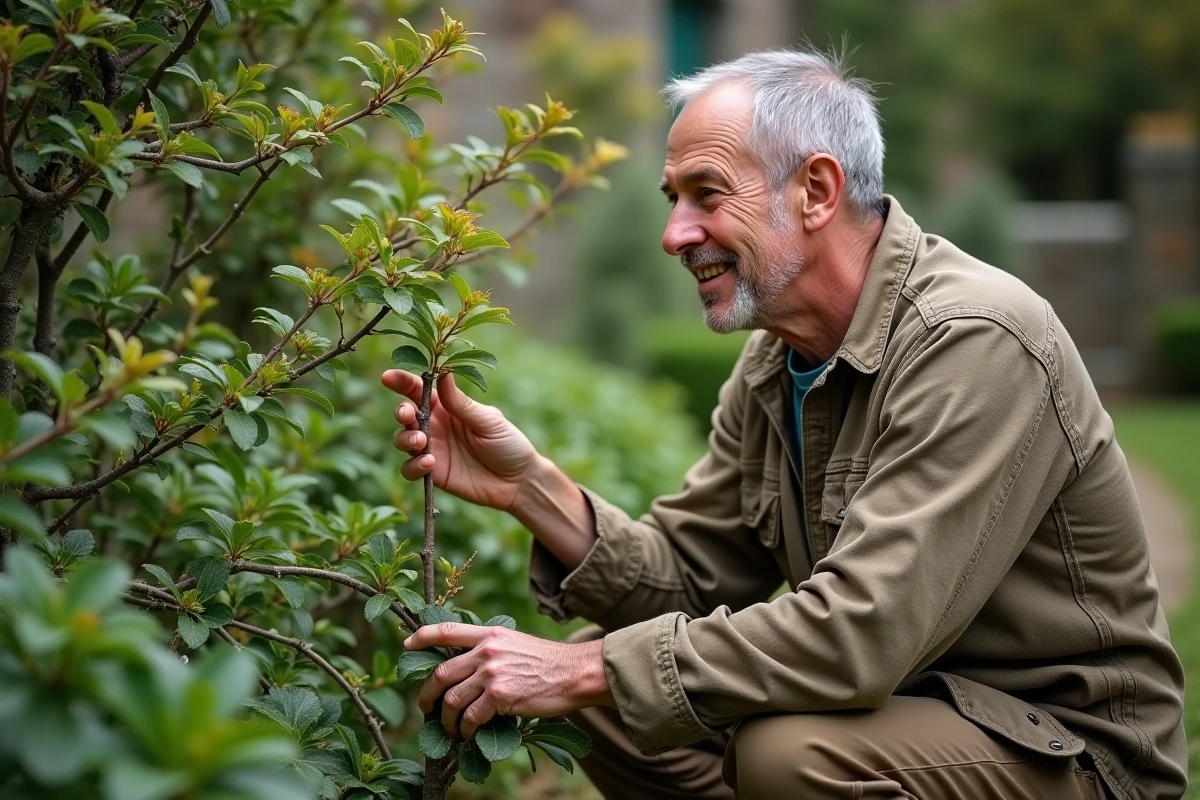
Plant a rhus viminalis in a Mediterranean garden and observe: here, there is no need to prune at all costs. Yet, the growth is surprising, even in areas where other species give up. Poor soil? This sumac doesn’t care. Water? It is satisfied with a drop, even in the early years, despite a root system that remains close to the surface.
In terms of robustness, it sets the bar high. Few ornamental shrubs display such resistance to local diseases. This strong point appeals to those who bet on sustainable green spaces that require little intervention. Used as a windbreak hedge or isolated on a lawn, it accumulates advantages while remaining relatively discreet on the shelves of specialized garden centers.
The rhus viminalis: an African sumac with unique charm and a fascinating history
The rhus viminalis tells a little-highlighted botanical story. This shrub, which sometimes reaches the size of a real tree in southern Africa, stands out for its ability to grow where others fail. In arid soils, it raises its fine, almost flexible branches, often associated with those of bamboo. However, it is not a grass: it is indeed an African sumac, difficult to confuse once you observe its foliage and particular shape.
Its foliage offers beautiful shades, from soft green to bright green in the beautiful season. These long veined leaves tend to dance with the wind, giving the shrub a clean style that catches the eye. By summer, the modest flowers give way to round fruits, a real feast for local birds and small wildlife.
Its reputation for adaptability is well-deserved. For generations, this sumac has been used for both basketry and to structure living hedges throughout African villages. Its resistance in difficult conditions has allowed it to thrive where other species do not last long. Depending on the quality of the soil or watering, it stretches between two and five meters, extending its branches according to the available space.
For those who wish to learn everything about rhus viminalis, there is a whole mosaic of botanical information to explore. This duality between robustness and elegance intrigues garden lovers, always on the lookout for a variety that is both decorative and resilient to add to their green space.
Why choose rhus viminalis to enhance your garden?
The first asset of rhus viminalis is obvious: its incomparable graphic style. Its branches evoke bamboo, without ever falling into imitation. Here, the personality of the African sumac stands out, an ideal option for those looking for an alternative to bamboo and wanting to step off the beaten path in landscaping.
In places where soil diversity tests plant tolerance, rhus viminalis remains unperturbed. It is satisfied with well-drained soils, a certain amount of lime does not scare it, and it is just as comfortable in more fertile ground, as long as water does not accumulate. Its rapid growth, sometimes up to five meters in height, makes it a significant choice for creating strong hedges and adding relief to a flat garden.
Aesthetically, its foliage evolves with the seasons and welcomes summer with a profusion of pink-orange fruits. Little threatened by diseases and pests, it helps avoid the routine of chemical treatments while lightening the maintenance load. The flowering, discreet, gives the spotlight to a generous fruiting that enlivens paths or flowerbeds until the end of the beautiful season.
Those dreaming of an original, resilient garden, without sacrificing aesthetics or biodiversity, find in rhus viminalis a versatile ally. Between hardiness and seduction, it fits well in landscaped parks as well as on a simple lawn that needs dynamism.

Practical tips and essential tricks for successfully cultivating African sumac
Installing a rhus viminalis in the garden requires attention to the immediate environment. Your soil benefits from being well-drained to avoid water stagnation at the base. Preferably place it in bright light: full sun or partial shade depending on the local climate, to encourage the vigor of the flexible branches and maintain a well-provided foliage. Those attempting to plant in too shady an area will quickly notice that growth seriously slows down.
During the first two years, water regularly to allow the roots to extend deeply. Once the plant is well established, it shows great autonomy, tolerating dryness and not shying away from calcareous soils or winds. Wait until the end of winter to intervene on the pruning: remove damaged branches and encourage branching, especially if the plant serves as a hedge or if you want to control its height.
Sowing seeds will delight the most patient, while gardeners looking for quick effects will opt for already formed plants. In overly compact soil, adding coarse sand optimizes drainage, which is imperative, as stagnant water remains the main weakness of the species.
Before you start, keep these practical recommendations in mind to successfully plant:
- Choose the brightest exposure available, sun or partial shade depending on the environment.
- Opt for a draining soil, even if it means adding sand; limestone does not determine the fate of the plant.
- Water generously at the start; then, space out, this sumac quickly develops its resilience.
- Equip yourself with pruning shears at the end of winter to clean and aerate it; branching will follow.
Bringing African sumac into your garden is an effortless way to diversify outdoor spaces in France. Its moving foliage and qualities prove valuable for those aiming for a garden that is both lively, original, and sustainable. The rhus viminalis constantly challenges the routine of traditional gardens; it only needs a bit of fertile space and a good dose of light to express all it has to offer.