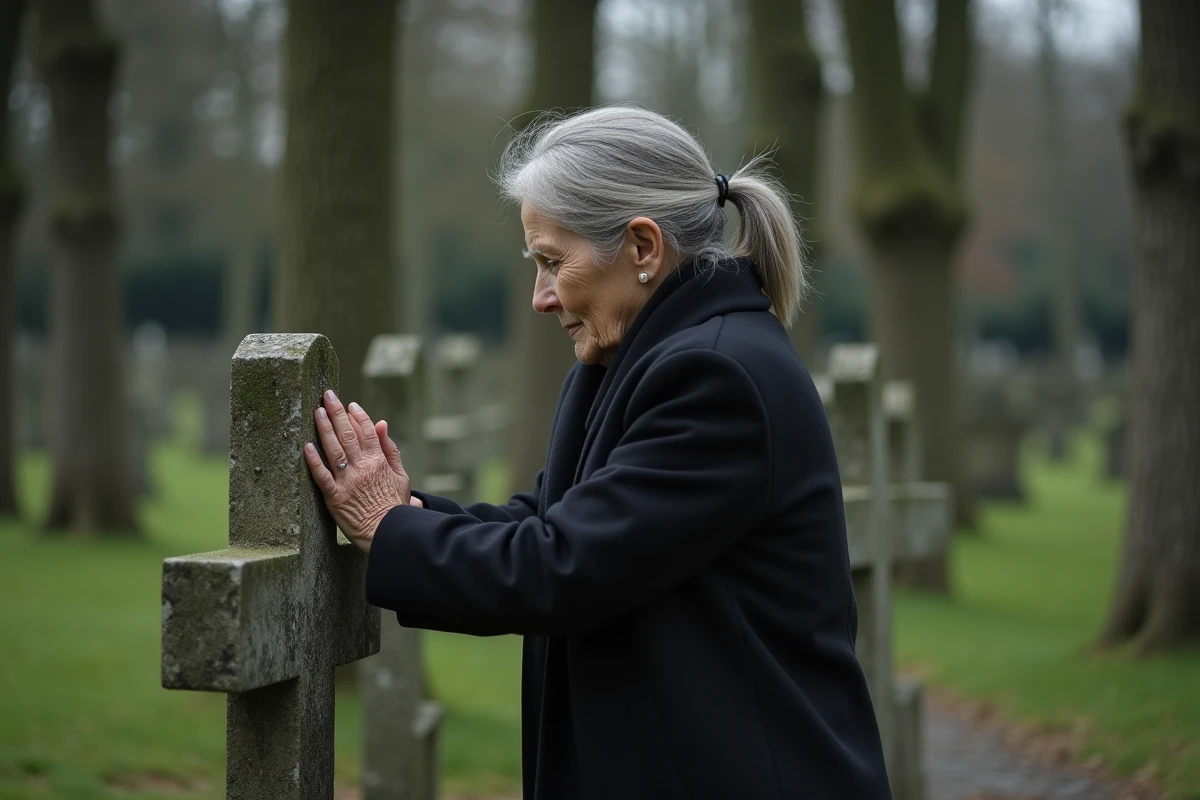
A cemetery does not provide a manual. Yet, every detail matters, even in the choice of a cross placed on the grave. There is no single model imposed at the national level, but many municipalities add their own touch: precise dimensions, required materials, accepted or rejected shapes. Faced with these sometimes strict rules, families navigate by instinct. Some opt for personalization, while others prefer to stick to standard models to avoid unpleasant surprises during installation.
The chosen material is not merely a matter of preference. Wood, warm but fragile, requires regular care. In contrast, granite or metal withstand the years and the elements. As for the shape or engravings, they cannot be reduced to mere decoration: they tell a story, a belief, sometimes a loyalty to tradition or, conversely, the assertion of individuality.
What a funeral cross reveals: symbols, traditions, and personal choices
Placing a funeral cross on a grave is never trivial. This gesture condenses a heritage, transmits a memory, connects those who remain with those who are no longer there. Choosing a cross for a cemetery grave requires reflection on the significance of this symbol, on what one truly wants to convey. Some prioritize discretion, while others seek to stand out: a unique design, a rare material, a detail that resembles no other. In French culture, the cross remains deeply linked to eternal rest and Christian faith. But the codes are changing. Families no longer hesitate to have motifs engraved, to invent original shapes, to add a personal word. Each cross thus becomes a declaration: it tells of belonging, a story, an intimate choice. Most often, it is not an isolated gesture, but the result of a dialogue between what is passed down and what one wants to assert.
Inscribing a personal touch on a funeral cross injects a bit of intimacy into a shared space, that of the cemetery. One encounters crosses made of raw wood, chiselled metal, sculpted stone. This choice sometimes depends on local customs, sometimes on the desire to stand out, always on a family history.
To better grasp the possibilities, here are the main options and what they evoke:
- Wood, with its simplicity, brings warmth and fragility, reminding us that everything is temporary.
- Granite or stone, signs of longevity, anchor memory in time.
- Metal, whether worked or streamlined, conveys the idea of passage and metamorphosis.
In France, as elsewhere in Europe, the variety of shapes and ornaments reflects the diversity of journeys. Behind each cross, a gesture, a desire to transmit, the affirmation of what truly matters.
What materials and styles to favor for a durable and respectful grave cross?
The choice of material is not a detail. It shapes the durability and the ability of the memory to withstand time. When the time comes to select a funeral cross for a grave, it is about finding the right balance between cemetery constraints, the desire to honor the deceased, and resistance to the years.
Marble is the reference material. Its nobility, its endurance over time, and the finesse of the engravings it allows explain its prominent place among funeral monuments in France. A marble cross for a grave fears neither rain nor sun, retains its color, and allows for delicate customizations.
For those who prefer a more authentic approach, natural stone, granite, limestone, appeals with its raw material, varied hues, and proven robustness. A grave stone cross in granite, for instance, connects the tribute to the uniqueness of the deceased. Each stone, through its texture and color, tells a unique story.
Metal (steel, bronze) attracts families in search of novelty. It allows for playful lines, subtle ornaments, while ensuring long-term solidity. This choice, less traditional, allows stepping off the beaten path without neglecting robustness.
Some material combinations yield surprising results. Mixing marble and metal, stone and ceramic, opens the door to a custom appearance, where memory and modernity engage in equal dialogue.
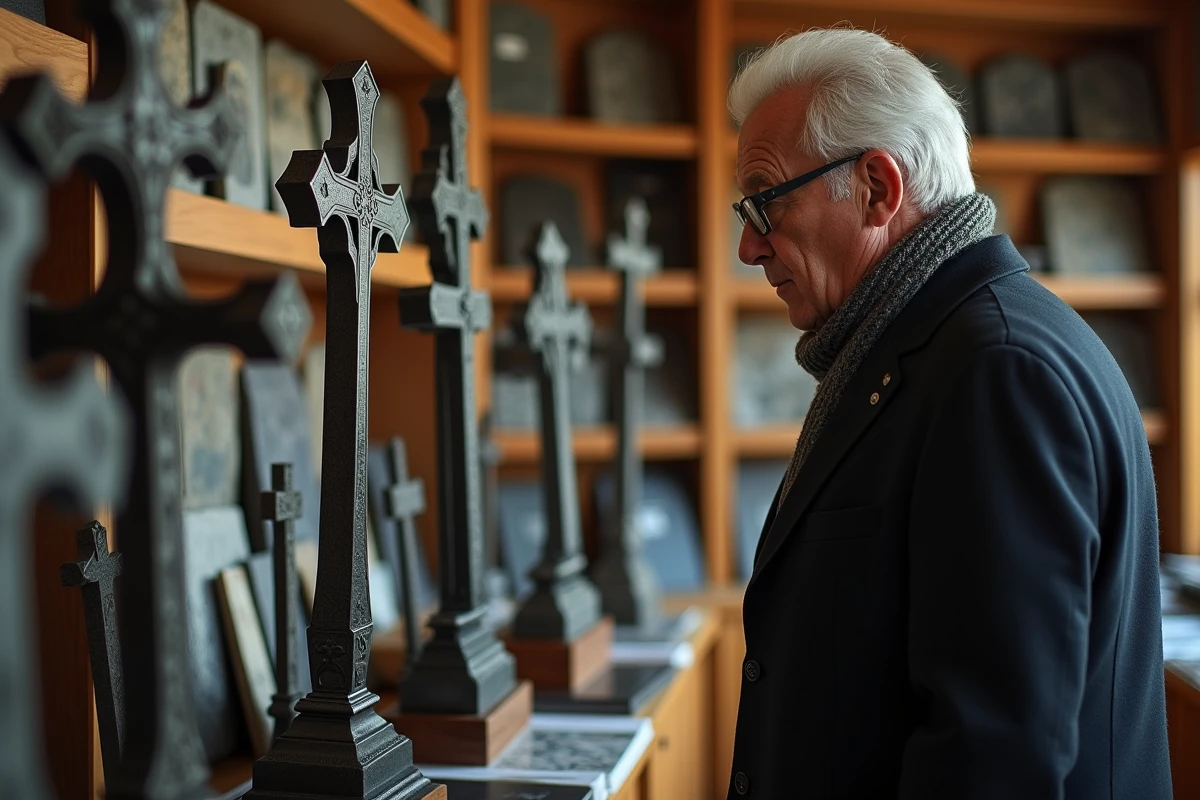
Installation and maintenance: practical tips for honoring memory over time
Installing a funeral cross on a grave requires both method and respect for the framework set by the cemetery. Before proceeding, it is essential to consult the town hall to ensure that the size, material, or installation complies with local regulations. Each municipality sets its own criteria for permitted ornaments and the stability of monuments.
The installation of a cross is not improvised: a flat and solid base is essential to prevent any tipping. Hiring a professional, often recommended by funeral homes, ensures a reliable, durable installation, adapted to the site’s constraints. To add a funeral plaque or inscribe the dates of birth and death, prioritize materials designed to withstand time: stainless steel, bronze, granite. These choices reduce the risk of corrosion and ensure the readability of inscriptions, year after year.
Regular maintenance helps preserve the appearance and symbolism of the monument. Most of the time, a gentle cleaning with clear water and soap is sufficient. Abrasive products, on the other hand, risk damaging marble or stone. It is better to inspect the cross regularly: cracks, moss, emerging degradation… Acting early prolongs memory.
Moreover, when relatives live far away, some companies offer delivery and installation services, with photo follow-up, to ensure a respected grave, even from a distance and regardless of budget. Memory knows no distance; it just requires that we watch over it, step by step, year after year.