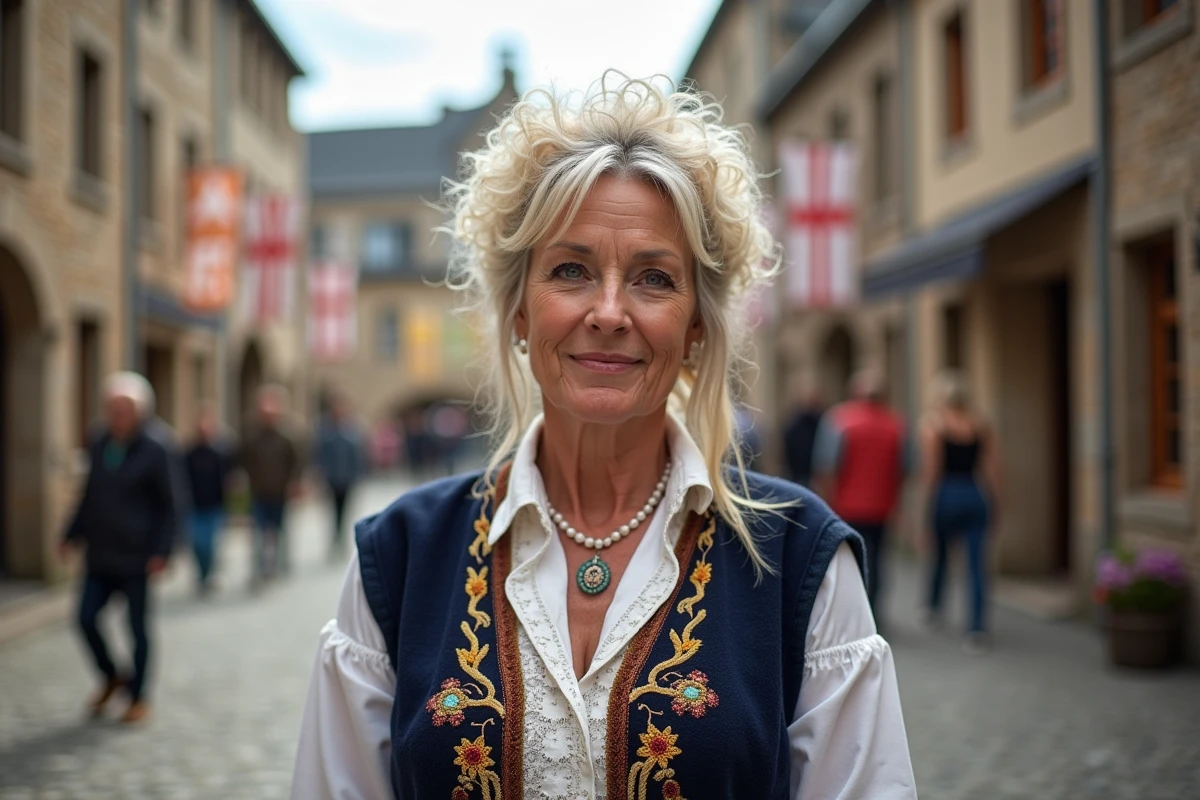
Brittany brings together textile traditions, a vibrant festival scene, and an active Celtic linguistic heritage within the same territory. These three dimensions intersect in an event calendar that extends well beyond the summer season, with a recent focus on autumn and winter driven by the departmental tourism committees.
Event open data in Brittany: an overlooked tool that changes the game
The Brittany Region has been maintaining an open data base “Festivals and Events” for several years, which continuously catalogs and standardizes events across the entire territory. This database covers culture, sports, and heritage, with over three thousand regularly updated entries.
This reference is used by many tourist sites to automatically populate their local agendas. The interest lies in the standardization: each event is categorized by type (festival, market, guided tour, workshop) and geolocated, allowing visitors to filter according to their interests.
To keep up with regional news and identify upcoming events, the Breton portal site aggregates information covering everything from fest-noz to trails and craft workshops.
This approach through open data sets Brittany apart from most other French regions, where event information remains scattered among tourist offices, town halls, and associations without a common format.

Textile know-how and the Festival of Embroiderers of Pont-l’Abbé in 2026
The Festival of Embroiderers of Pont-l’Abbé is announced for its 72nd edition from July 9 to 12, 2026. This event celebrating Bigouden culture remains one of the few European events entirely dedicated to traditional costumes, headdresses, and artisanal embroidery.
The vitality of this festival reflects a broader phenomenon. Breton textile know-how is not confined to a museum role: it serves as a driving force for event attractiveness, drawing both heritage enthusiasts and contemporary creators who reinterpret traditional patterns.
Bigouden embroidery is distinguished by a density of stitches and a plant geometry that is not found in any other French textile tradition. Each costume displayed at the festival represents several hundred hours of manual labor, which explains the event’s both artisanal and spectacular dimension.
Off-season tourism in Brittany: fest-noz, storytelling evenings, and autumn markets
Since 2023, several Breton tourist offices have structured a specific offer around autumn and winter. The goal is to smooth out tourist attendance beyond the summer period, relying on cultural and heritage events.
Fest-noz, producer markets, and storytelling evenings form the foundation of this winter programming. Departmental committees like Ille-et-Vilaine Tourism promote communication focused on “the other Brittany,” that of short evenings and living traditions.
This strategy relies on three concrete levers:
- The programming of fest-noz in venues between October and March, featuring local Celtic music groups that maintain a danceable repertoire accessible to newcomers
- The organization of producer markets combined with workshops (cider, crepes, artisanal preserves) in towns that do not appear on traditional tourist circuits
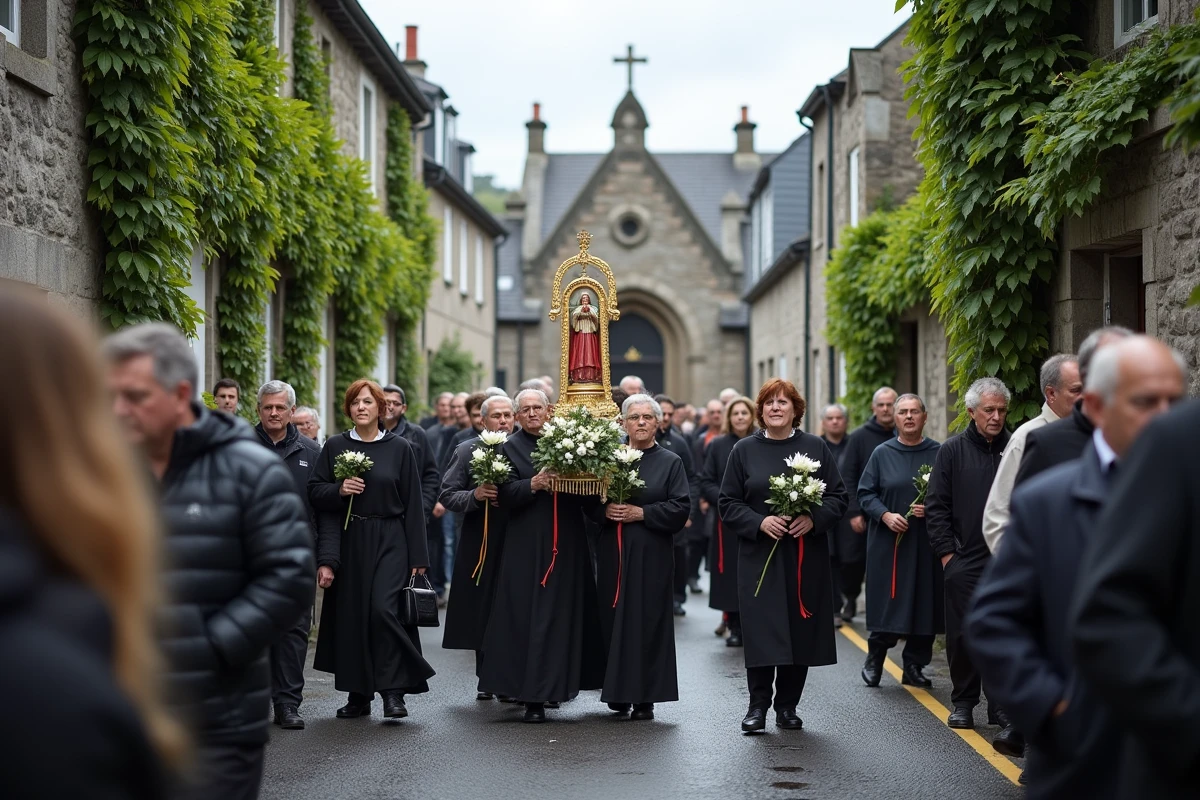
- The promotion of storytelling evenings in Breton and French, often hosted in chapels or community halls, which extend an active oral tradition
Fest-noz, inscribed in the UNESCO intangible cultural heritage, is not a fixed folkloric show. It is a social practice where collective dance remains the center of gravity, with musicians adapting the repertoire based on the audience present.
Street arts and festivals in rural Brittany
The emergence of performing arts festivals outside the major Breton cities is changing the cultural geography of the region. The Inopiné Festival in Questembert is a recent example: dedicated to street arts and public space performances, it takes place in a town in Morbihan rather than in a metropolis.
This type of event responds to a logic of cultural decentralization. Rural municipalities have spaces (squares, paths, farmyards) that urban festivals lack, and the relationship with the audience is different: immediate proximity to artists, reduced audience size, and frequent free admission.
Brittany also hosts sports events that fit into this same rural dynamic. The trails in Côtes-d’Armor or Finistère combine nature running with the discovery of coastal or forest paths, attracting an audience looking for more than just a simple sporting event.
What distinguishes Breton programming
The density of events in Brittany is due to a particularly active associative fabric. Many festivals, including the most popular ones, rely on a core of local volunteers who ensure continuity from year to year.
The Breton language remains present in the signage and programming of many events, even those not explicitly dedicated to Celtic culture. This linguistic visibility helps maintain an identity anchor without turning events into historical reenactments.
The upcoming event season in Brittany promises to be rich, between the 72nd edition of the Festival of Embroiderers in July 2026 and the consolidation of autumn programming. The Breton calendar now operates year-round, supported by digital tools like regional open data and an associative network that does not slow down in winter.